


Bath has been on my travel list for several years. Despite countless trips to London and plenty of time spent exploring the nearby Cotswolds, somehow I had never made my way to this beautiful corner of England. That changed on a recent trip, when I was finally able to check Bath off my list. And as it so happens, I immediately wondered why I had waited so long to finally see this special place.
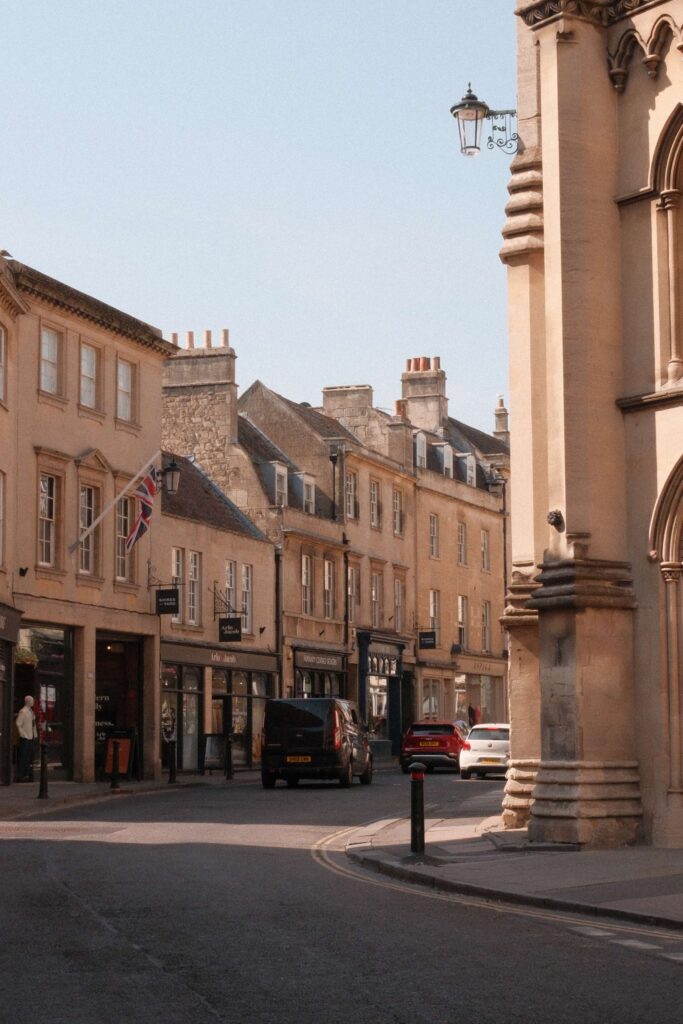
This UNESCO World Heritage Site in the United Kingdom has been turning heads since Roman times, with honey-colored Georgian architecture, beautiful green spaces, rich history in nearly every corner, and the River Avon winding through its center. It’s the kind of place where you can spend a morning checking off the major sights, then happily lose an afternoon wandering without much of a plan for a more relaxed vacation.
From the Roman Baths and Bath Abbey to Jane Austen’s favorite corners of the city, there is plenty to see and do in the town of Bath. And because the city center is so walkable, it’s easy to experience quite a lot in a short visit.
Whether you’re planning a day trip from London, adding Bath to a Cotswolds itinerary, or spending a long weekend here, these are the best things to do in Bath, including the places I’d make a priority on your first visit.
Things to Do in Bath
1. Visit the Roman Baths
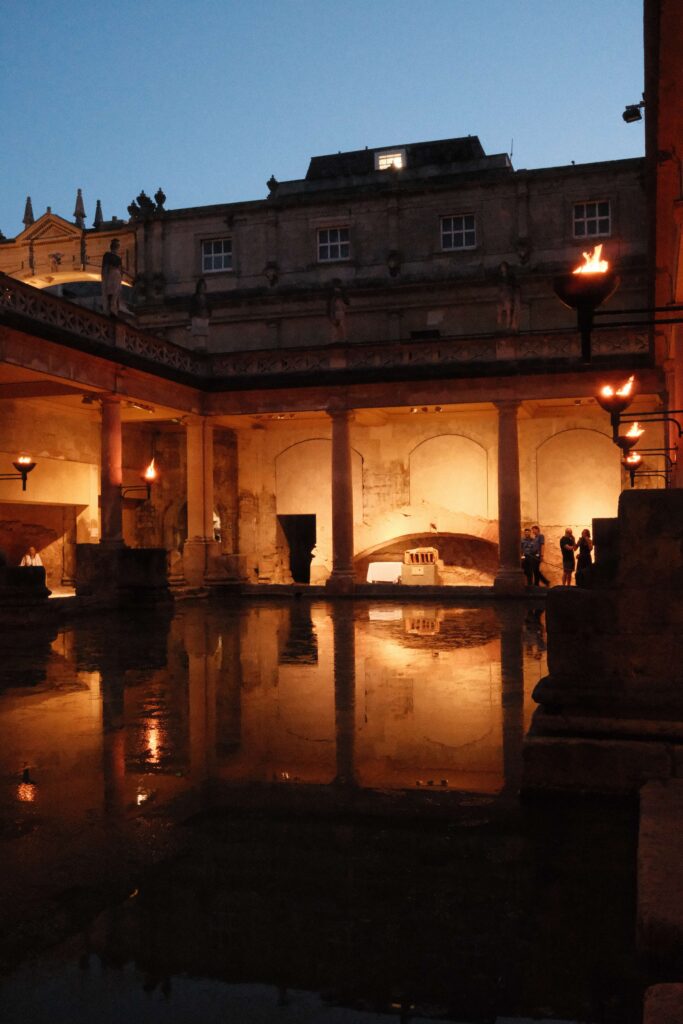
If there’s one attraction that belongs at the top of your Bath itinerary, it’s the Roman Baths. After all, these ancient thermal springs are the reason the city exists in the first place, and it is the biggest attraction of the city.
Built around 70 AD, the remarkably preserved complex gives you a fascinating glimpse into Roman Bath, from the Great Bath and ancient temple to the incredible engineering that allowed naturally heated spring water to flow through the city. A free audio guide is included with admission and does an excellent job of bringing the ruins to life without requiring you to be a history expert (or even history lover!). Fun fact: did you know that the Romans invented the first steam rooms and cold plunge pools?
Best time to visit: Arrive when the doors open to avoid some of the larger crowds, or visit later in the afternoon when things tend to quiet down. In the summer, take a look at the Roman Baths official website for extended nighttime hours.
Good to know: The water in the Roman Baths may look tempting, but it’s a historic site only, and swimming isn’t permitted.
2. Relax at Thermae Bath Spa
If after seeing the Roman Baths piques your interest for a swim, a visit to Thermae Bath Spa feels like the perfect modern-day continuation of Bath’s long relationship with its thermal waters.
The highlight of Thermae Bath Spa is undoubtedly the rooftop pool, where you can soak in naturally heated spring water while taking in views over Bath’s rooftops and Bath Abbey.
If you have the time, consider booking a longer spa experience so you can enjoy the indoor pool and wellness facilities as well as the rooftop. A later visit can be particularly lovely when the city begins to light up around you.
Thermae Bath Spa is popular, particularly during weekends and school holidays, so booking ahead is always a good idea.
3. Visit Bath Abbey
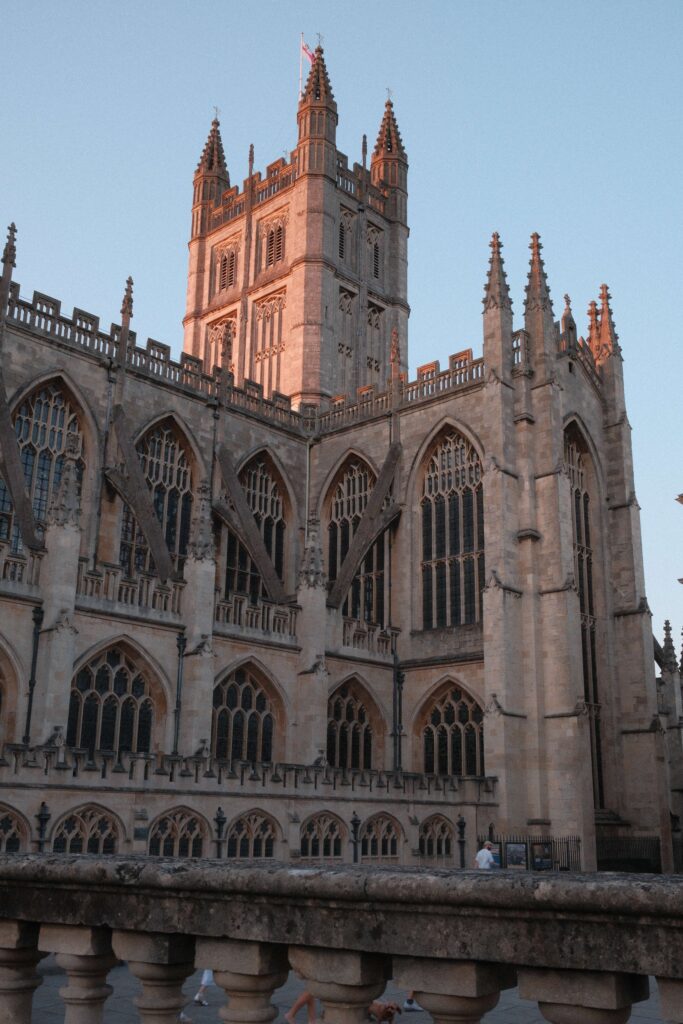
Right in the heart of the city, Bath Abbey is hard to miss, and is absolutely worth stepping inside.
Admission to Bath Abbey is free if you’re attending a religious service, otherwise it’s £9.00 for adults and £5.00 for children.
The current building dates to 1499, but there’s been a church on this site since 676 AD. The fan-vaulted ceilings, completed in the 1860s, rank among the finest examples of Perpendicular Gothic architecture in Britain.
If you have time, consider taking a tower tour for panoramic views over Bath. You’ll climb more than 200 steps, but the view from the top makes the effort worthwhile.
4. See the Royal Crescent
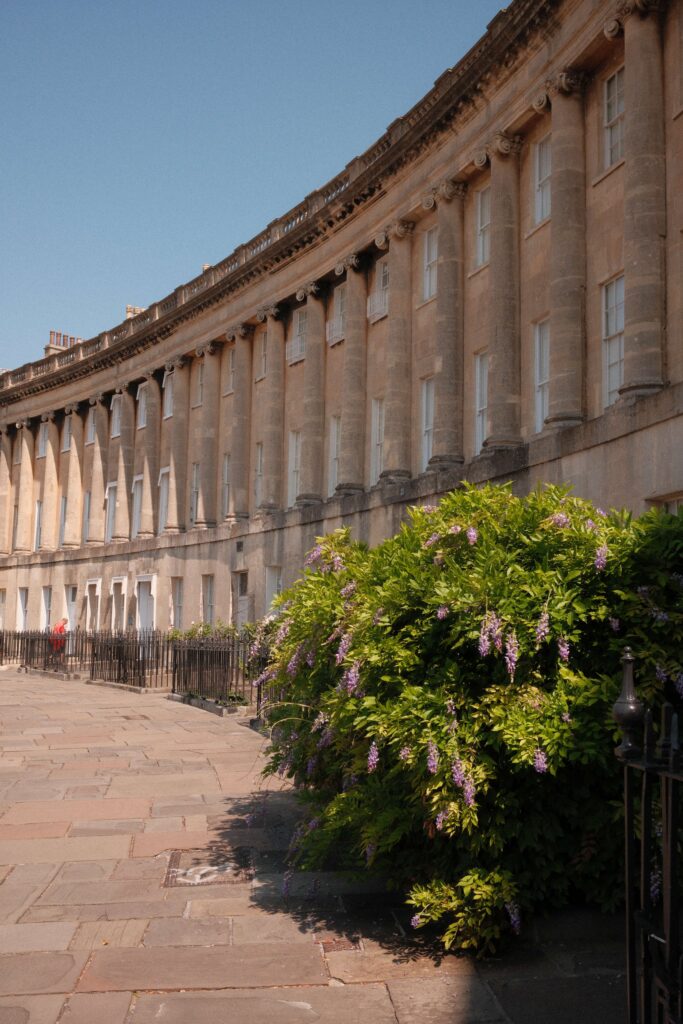
Royal Crescent is perhaps the most iconic example of Bath’s Georgian architecture, and it’s one of those places that looks even better in person. The photos of it just don’t do it any justice.
Designed by John Wood the Younger, this sweeping, 500-foot-long curve of townhouses was built between 1767 and 1775 and overlooks a public lawn.
During Bath’s golden spa era, socialites rented these townhouses during the elite social season to visit the baths. Today, with the exception of The Royal Crescent Hotel & Spa, they are still private residences. However, Number 1 Royal Crescent is open as a small museum with an audio tour that takes you through period-furnished rooms if you’re interested in how Georgian families actually lived. You can purchase your tickets at the door.
For the classic photograph, head into Royal Victoria Park and look back toward the crescent. However, I’d strongly recommend taking a little time to simply walk the length of the Royal Crescent to experience its size rather than just stopping for a photo.
5. Walk Across Pulteney Bridge & Along the River Avon
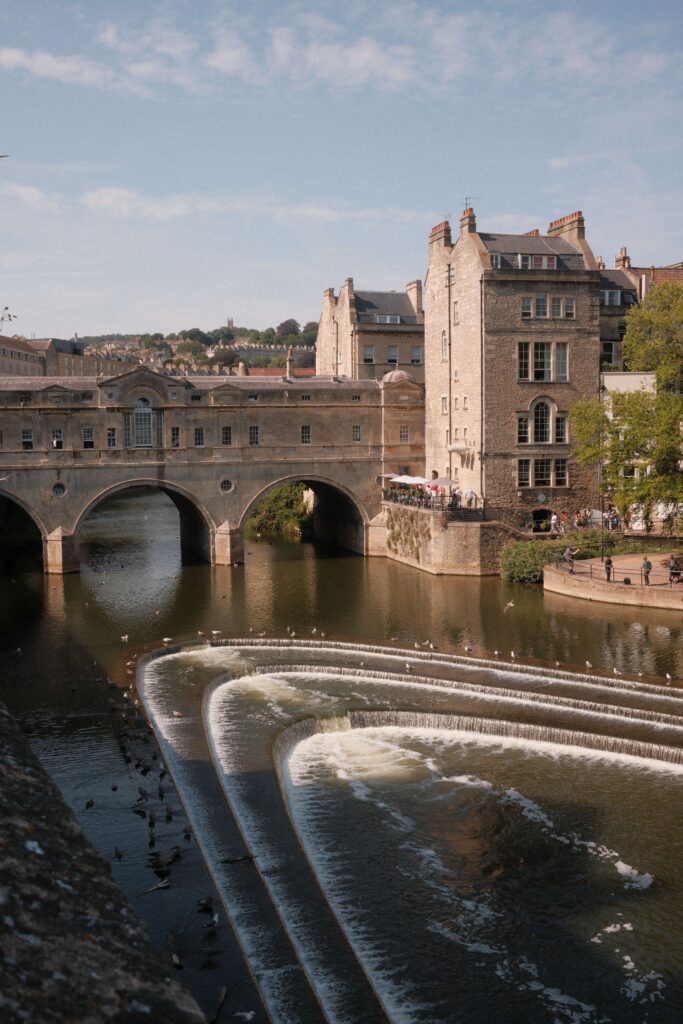
Pulteney Bridge is one of those Bath sights you’ll recognize from Instagram photos and videos immediately once you see it.
Built in the 18th century, the elegant Georgian bridge stretches across the River Avon with small shops and cafés built directly into its sides. It’s one of only a handful of bridges in the world with shops spanning its entire length, which makes it particularly charming to explore.
After crossing the bridge, walk along the River Avon for a picturesque view of the bridge and Pulteney Weir, a historic V-shaped low dam built across the river.
6. Explore Bath’s Bridgerton Filming Locations
If you’re a Bridgerton fan, Bath will feel wonderfully familiar. The city’s grand Georgian architecture and elegant streets have made it one of the show’s most recognizable filming locations, so you can easily add a little Regency-era sightseeing to your visit.
Start at the Royal Crescent, which appeared in the series, then make your way toward The Circus and Brock Street. The Assembly Rooms were also used as filming locations, making this an easy activity to combine with some of Bath’s other major sights.
You can follow Visit Bath’s self-guided filming trail or book a dedicated Bridgerton walking tour if you want more of the behind-the-scenes stories.
Even if you’re only a casual viewer, it’s a fun excuse to see some of Bath’s most beautiful corners. And if you’re a serious Bridgerton fan, you’ll probably want to make this a priority.
7. Visit the Jane Austen Centre
Jane Austen and Bath are practically inseparable, particularly if you’re a fan of her novels.
Austen lived in Bath from 1801 to 1806, and the city influenced both Northanger Abbey and Persuasion. The Jane Austen Centre explores her time in Bath, the Regency society she observed, and the ways the city shaped her writing.
The center is located on Gay Street in the neighborhood Austen knew well, although she did not actually live in this particular building. Costumed guides and interactive exhibits make the experience feel more immersive than a traditional museum visit.
Even if you wouldn’t consider yourself an Austen superfan, Bath’s connection to her is part of what makes the city so fascinating. And if you are an Austen fan, you’ll likely want to spend a little extra time wandering the streets she knew so well.
8. See The Circus
No, not that kind! While the Royal Crescent tends to get most of the attention, The Circus is another beautiful example of Bath’s Georgian architecture. It’s also just a short walk from the Royal Crescent, making the two easy to visit together.
Designed by John Wood the Elder and completed in the 18th century, The Circus is made up of 33 elegant townhouses arranged in a perfect circle around a large lawn.
9. Experience the Fashion Museum and Assembly Rooms
The Assembly Rooms offer another glimpse into Bath’s glamorous Georgian past.
These beautiful rooms were designed in the 18th century as gathering places for Bath society, where people came together for balls, concerts, card games, and afternoon tea. Standing in the grand ballroom, it’s not difficult to imagine the social scene that once filled these rooms.
The Fashion Museum, housed within the Assembly Rooms, is home to an extensive collection of historic and contemporary clothing. For anyone interested in fashion, this is a particularly fun addition to a Bath itinerary.
It’s also another stop that helps you understand Bath beyond its architecture. This isn’t simply a beautiful city; it was once one of England’s most fashionable places to see and be seen.
10. Explore the Botanical Gardens at Royal Victoria Park
The Royal Victoria Park is the perfect place to slow down.
The 57-acre park sits just beyond Royal Crescent and includes beautiful gardens, open lawns, walking paths, and a botanical garden with thousands of plant species. It’s an easy place to add to your itinerary without feeling like you’re adding another major attraction to your day.
Tack this on to your visit to Royal Crescent. Go see the architecture, then wander through the park and enjoy a little breathing room and relaxation time in Bath.
If you’re visiting in spring or early summer, the gardens are especially lovely when everything is in bloom.
11. Enjoy Afternoon Tea at the Historic Pump Room
Located directly beside the Roman Baths, The Pump Room is an elegant Georgian building that has long been associated with Bath’s tradition of taking the waters and socializing. Today, you can stop in for coffee, lunch, afternoon tea, or a drink while enjoying the historic setting with live music.
Afternoon tea comes with all the classics: finger sandwiches, scones with clotted cream and preserves, and an assortment of cakes and pastries.
Yes, this is a heavy tourist attraction. But I think there’s something to be said for embracing a little of the traditional experience when you’re visiting somewhere with as much history and character as Bath.
If you don’t have time for the afternoon tea, stopping in for coffee is an easy way to enjoy the setting without the full service.
12. Visit the Holburne Museum
The Holburne Museum is housed in an elegant 18th-century building at the end of Great Pulteney Street and is a lovely stop for anyone interested in art and design.
The museum began with the private collection of Sir William Holburne and now includes paintings, decorative arts, sculpture, silver, porcelain, and more. The historic building is complemented by a modern glass extension, creating an interesting contrast between old and new.
The permanent collections are free to visit, making this an easy addition to a Bath itinerary, especially if you happen to have a rainy afternoon during your visit.
13. Follow a Free Walking Tour for Local Insights
Bath is a wonderfully walkable city that you can explore on your own, but taking a guided tour can add another layer to what you’re seeing.
Free walking tours are available throughout the year and cover many of Bath’s major landmarks while sharing stories about the city’s Roman origins, its Georgian heyday, architecture, and famous residents.
14. Take in the Views from Alexandra Park
For one of the best views over Bath, make your way up to Alexandra Park.
The Victorian park sits on a hill overlooking the city, giving you a panoramic view of Bath’s rooftops and surrounding countryside. It’s a bit of a climb from the city center, but that’s part of what makes it feel quieter than some of Bath’s more central sights.
Go in the late afternoon or around sunset when the light catches the Bath stone and gives the entire city that signature golden glow.
Bring a picnic, grab a bench, and take a moment to appreciate just how pretty Bath is from above.
15. Take a Day Trip to Stonehenge
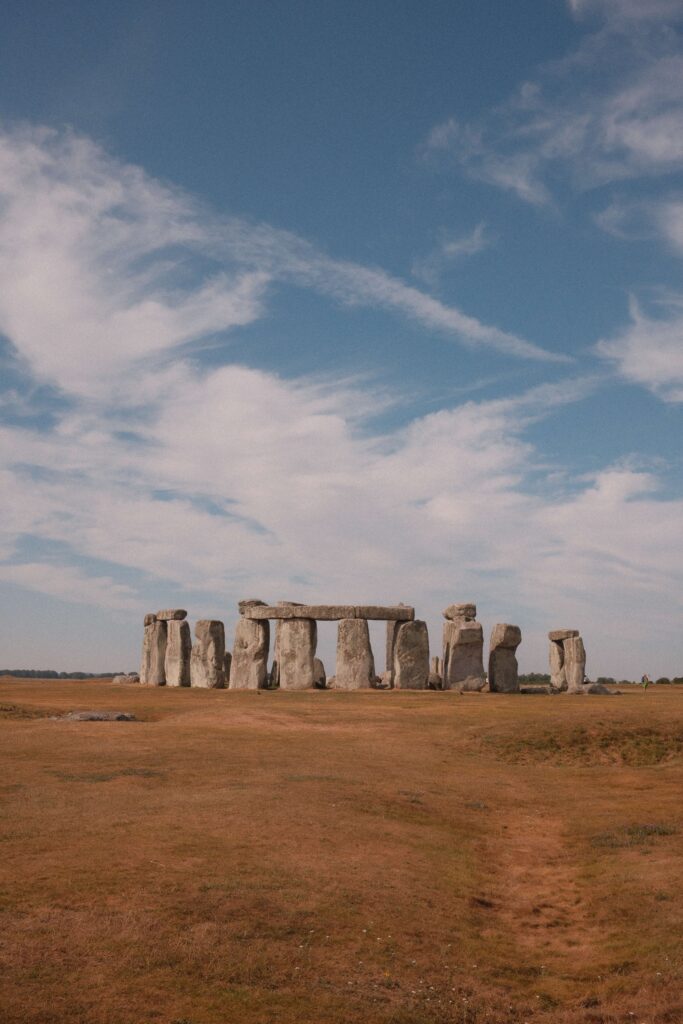
If you have more than a day or two in Bath, consider adding Stonehenge to your itinerary.
Located roughly 40 miles from Bath, the prehistoric monument makes for an easy day trip and is one of those places that feels different from anything else you’ll see in England.
The stones have stood on Salisbury Plain for thousands of years, and while there is still plenty of mystery surrounding their original purpose, the history of the site is still impressive in person.
You can visit independently by car or book a guided excursion from Bath. From my experience, it’s best to get there right before or just when the grounds open, as it gets very crowded as the day progresses.
How to Get to Bath from London
Bath is an easy day trip from London, which is one reason it makes such a great addition to an England itinerary. The easiest way to get to Bath from London is by train, but you can also drive or join a guided day tour.
By Train
The train is generally the easiest and most convenient option. Direct trains run from London Paddington to Bath Spa, with the journey taking around 1 hour and 20 minutes. Bath Spa station is also conveniently located in the city center, so you can walk to many of Bath’s main attractions as soon as you arrive.
If you’re visiting Bath as a day trip from London, I’d recommend taking an early train so you have plenty of time to explore. Booking tickets in advance can also help you find better fares.
By Car
Driving from London to Bath takes roughly 2.5 to 3 hours, depending on traffic. Having a car can be useful if you’re combining Bath with the Cotswolds or other destinations in southwest England, but it’s not necessary if Bath is your only other destination. Parking in the city can also be more complicated than taking the train, especially if your hotel or accommodations do not have parking.
By Guided Tour
If you’d rather not worry about transportation or planning the logistics yourself, another option is booking a guided day trip from London. Many tours combine Bath with other nearby attractions, making this a convenient choice if you’re short on time.
For most travelers, however, I’d choose the train. Bath is extremely walkable, and arriving directly in the city center makes it easy to spend a full day or two exploring on foot.
Final Thoughts on Visiting Bath
Bath is one of those places that manages to feel both grand and incredibly easy to explore. You can spend a morning visiting ancient Roman ruins and Georgian landmarks, then wander along the River Avon, stop for afternoon tea, or simply admire the honey-colored buildings as you make your way through the city. It’s a great type of trip to consider taking if you’re looking to combine both sightseeing and relaxation into a single trip.
Whether you’re visiting Bath as a day trip from London or spending a few nights here, I’d recommend giving yourself enough time to slow down and enjoy the city rather than rushing from one attraction to the next. The major sights are certainly worth seeing, but some of my favorite moments were simply walking Bath’s streets and taking in the architecture of this beautiful city.